When an old septic system starts to fail, it rarely gives much warning — and waiting too long only makes the situation worse. At Essex County Septic, we handle the entire replacement process in-house, from removing your existing system through to installing a new one built to current code and fully restoring your property. One crew, one process, no subcontractors.
Whether your system is aging out, actively failing, or simply no longer meeting today’s regulatory standards, we assess your property, recommend the right replacement system, and manage everything from permits to final grading. We specialize in both conventional replacements and advanced tertiary systems for properties where soil or space constraints require a more engineered solution.

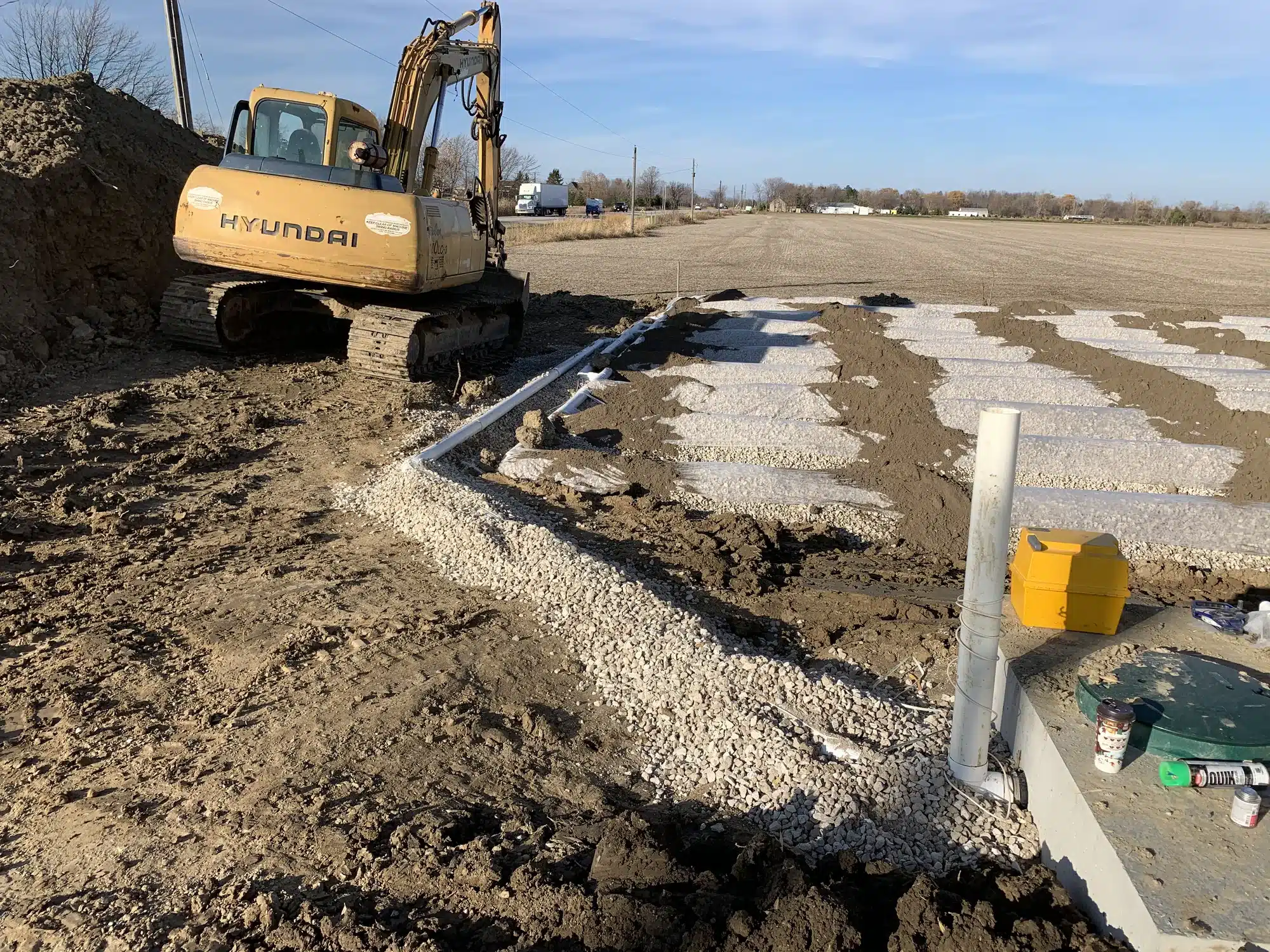
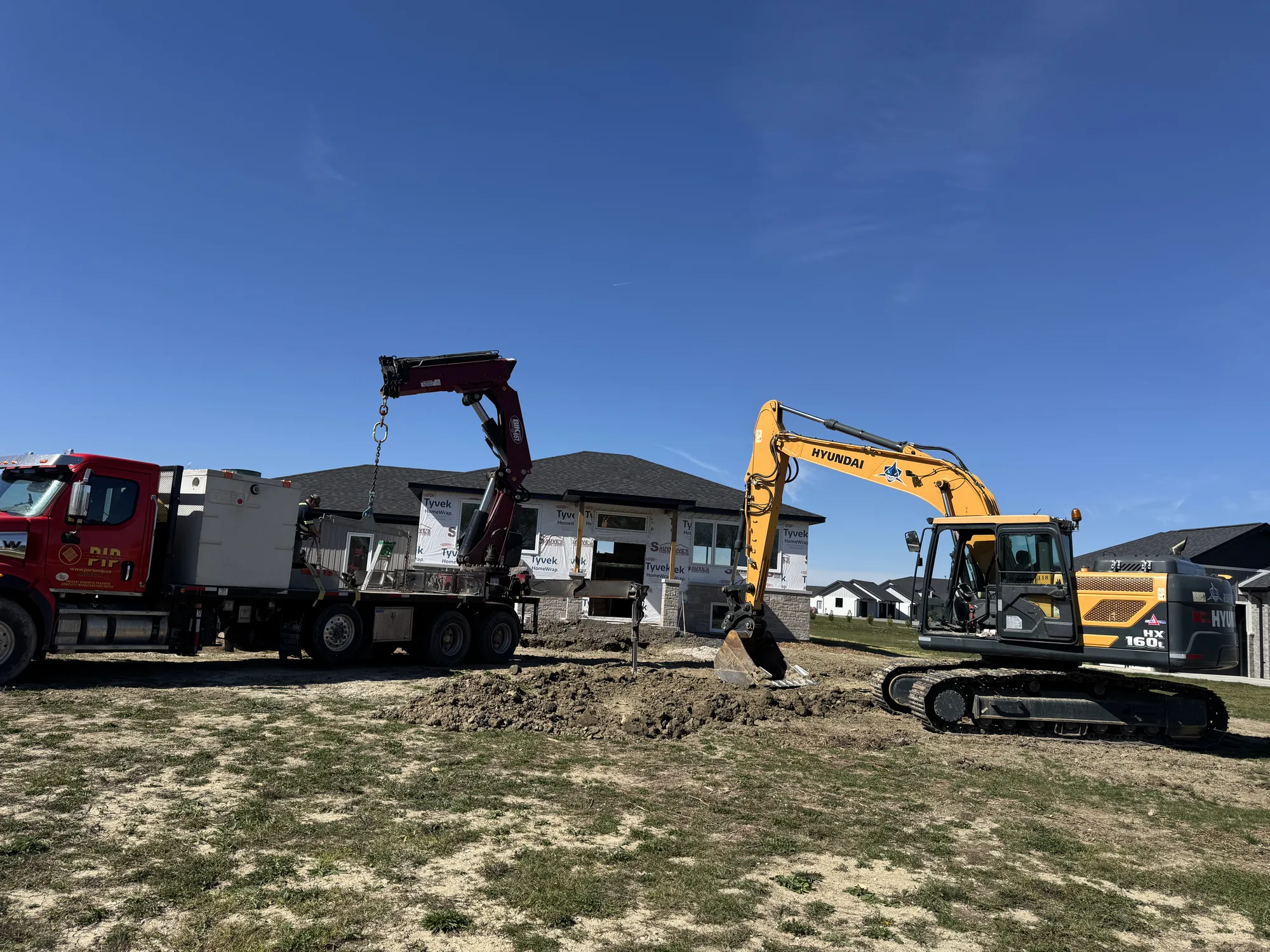
We safely excavate and remove your existing septic tank, while properly decommissioning the old leaching field in place according to current regulations. The site is cleared and prepped to ensure the area is stable and ready before any new installation begins.

Older systems were often installed under different code requirements. Every replacement we complete is designed and built to meet current Ontario Building Code standards — including updated setback distances, system sizing based on your home's current fixture count.

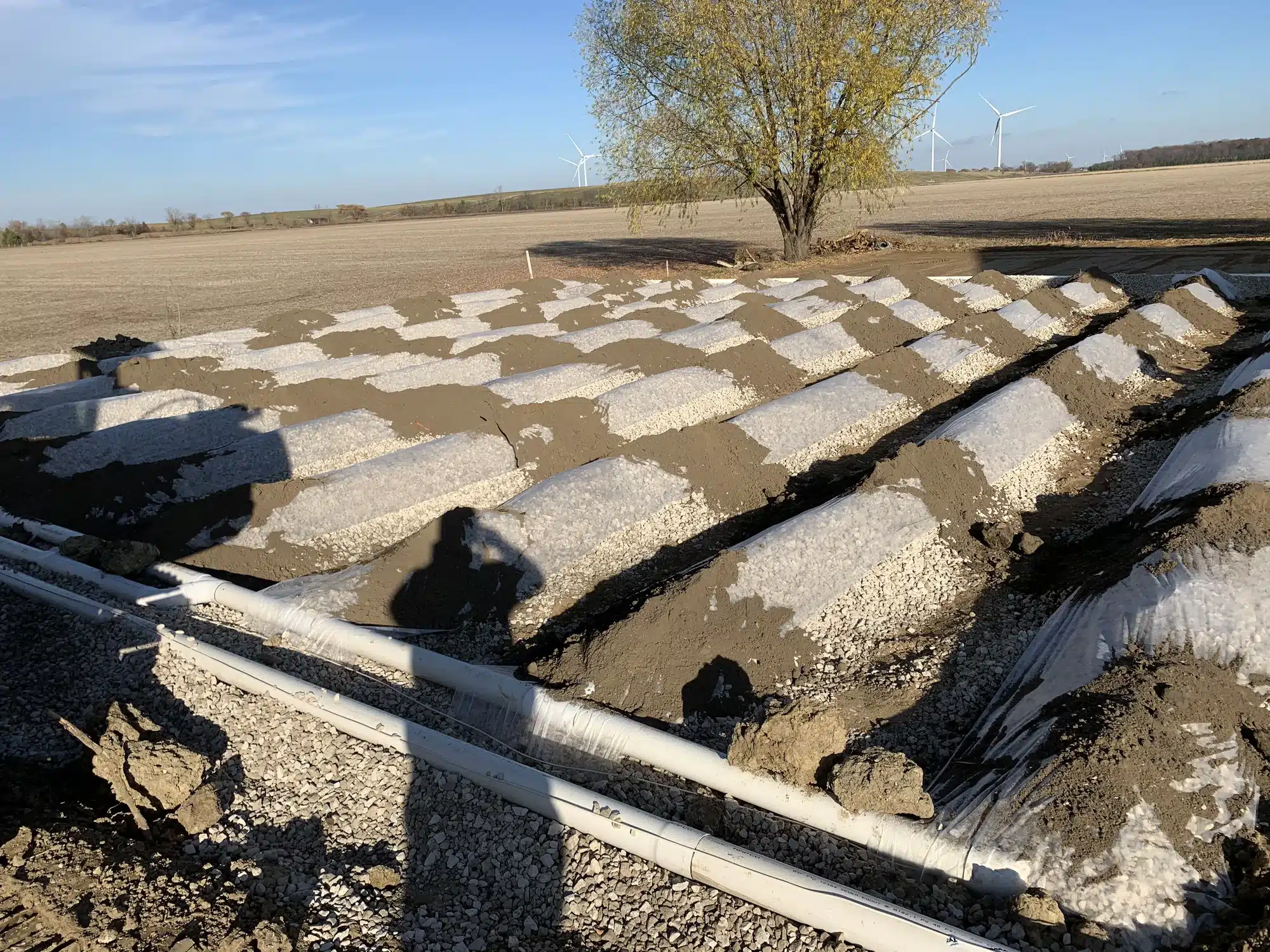
With the old system removed and the site prepped, we install your new tank, leaching bed or dispersal field, and all plumbing connections — all selected and sized based on your property's current requirements.

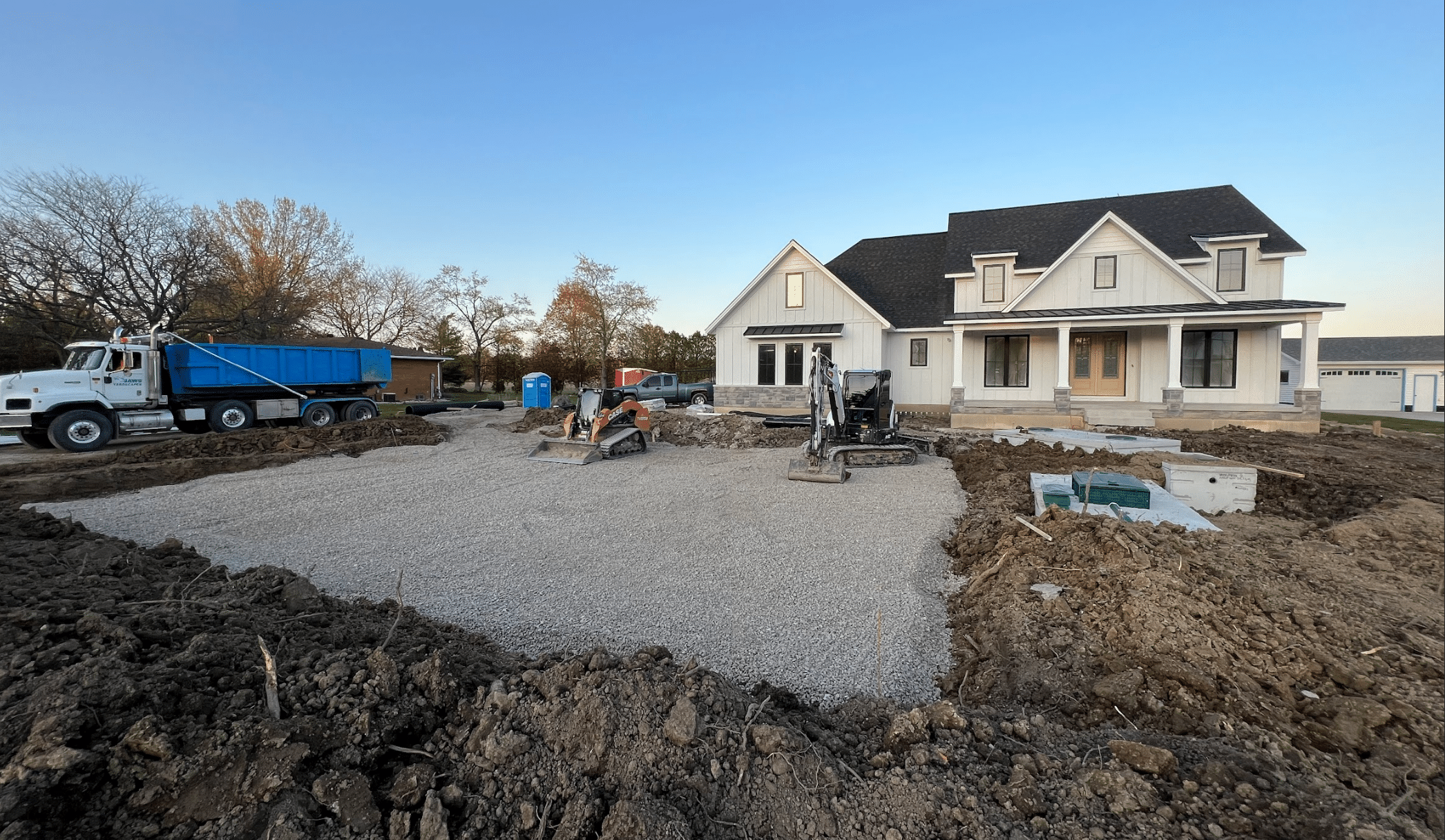
Once your new system passes final inspection, we backfill all excavated areas, restore the grade, and clean up the site completely. Our excavation background means we take final grading seriously — your yard is left level, tidy, and in the best condition possible before we leave.
Replacing a failing septic system involves more than just swapping out old parts. Here’s exactly how we approach every old septic system replacement — from initial assessment through to the final walk-around of your restored property.
Every replacement starts with understanding your property and what your current system looks like. We gather details about your lot, your home’s bedroom and fixture count, and the location of your existing tank and septic field. We then visit the site to assess soil conditions, available space, proximity to wells or water, and any site constraints that may affect your replacement options.
Once your replacement is approved and a deposit is in place, we coordinate the full system design and submit all permit applications to your municipality on your behalf. Septic field replacement projects require the same permit process as a new installation — and we manage every step so you don’t have to.
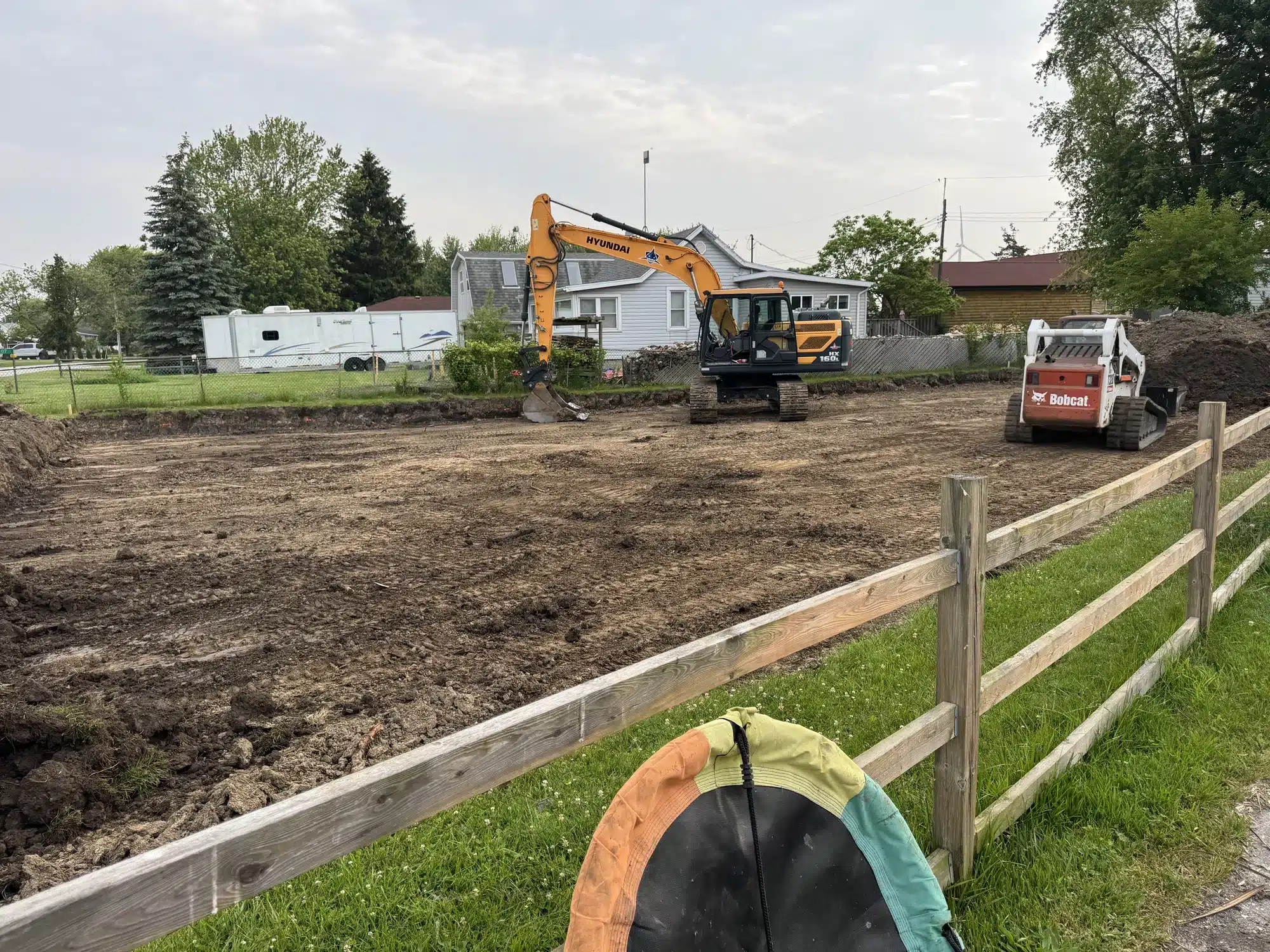
With permits approved and installation day confirmed, our crew arrives to perform the full replacement. We begin by excavating and safely removing your existing tank and failing septic field, properly decommissioning all old components. Once the site is cleared, we move directly into installing your new system — tank placement, leaching bed or dispersal field installation, and all plumbing connections from your home’s outlet through to the new system.
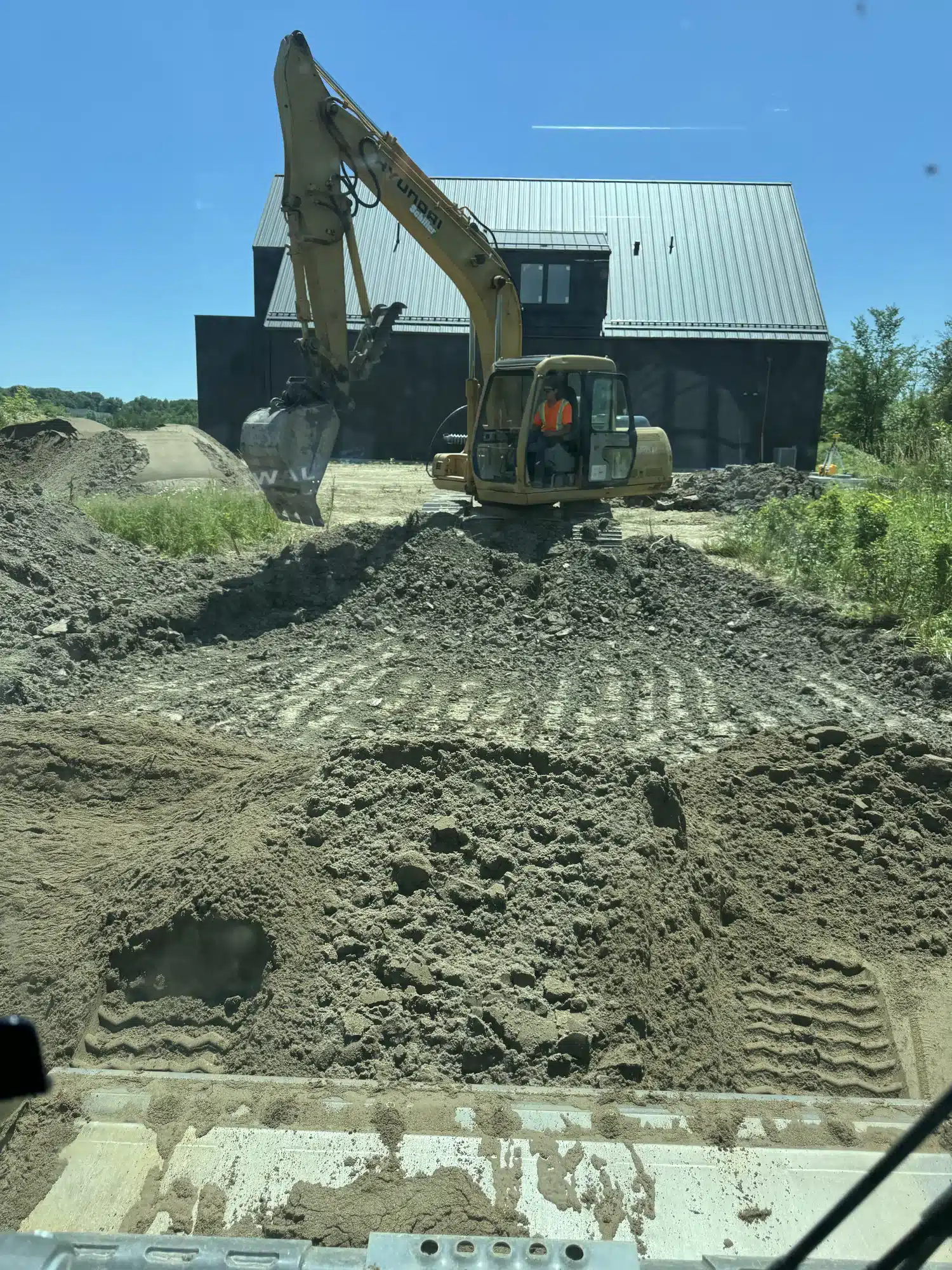
Once the new system is in place, we coordinate the final municipal inspection and obtain all required approvals. After sign-off, we complete the full backfill, final grading, and site cleanup — leaving your property tidy, properly graded, and in the best condition we can achieve.
A failing septic system raises a lot of questions. How do you know it’s actually failing? What will it cost? And is replacing it really worth it? Here’s what you need to know before making any decisions.
A new septic system installed to current code and properly maintained can last 25 to 30 years or more. The key is quality installation from day one — proper sizing, correct materials, and precise grading that allows the system to function as designed.
Common warning signs include slow-draining drains or toilets throughout the home, sewage odours in the yard or near the tank, wet or unusually lush patches of grass over your septic field, or sewage backing up into the home.
Septic systems replacement costs vary based on several factors — the type of system required, your lot size, soil conditions, the location of the new bed, and how complex the removal of your existing system turns out to be. A conventional replacement on a straightforward lot will cost less than a property requiring a tertiary system on challenging terrain.
Every septic project is different — and the best way to understand what yours involves is to talk to someone who does this every day. Reach out to our team and we’ll walk you through your options, explain what your property likely needs, and give you a realistic idea of cost before any commitment is made.
Yes — we work across the entire Windsor-Essex region, including Amherstburg, LaSalle, Leamington, Kingsville, Essex, Tecumseh, Lakeshore, and Windsor. Septic system age and soil conditions vary a lot across the county, and our team has direct experience working with the different municipal building departments and site conditions you’ll find from one end of Essex County to the other.
The honest answer is that it depends on what’s actually failing and why. Some issues — like a cracked lid or a blocked outlet baffle — are straightforward repairs. But when the leaching bed itself has failed due to age, soil saturation, or biomat buildup, repair is rarely a long-term solution. The same goes for tanks that are structurally compromised.
Sometimes, but not always. When a leaching bed fails, the soil in that area is often saturated or compromised — which means installing a new bed in the same spot may not be permitted or may not perform well. Municipal regulations also require that a new system meet current setback and sizing requirements, which may point the new bed to a different area of your property.
Yes — a permit is required for any septic system replacement in Ontario, regardless of whether you’re replacing the full system or just the leaching bed. This isn’t something to skip. Unpermitted septic work can create serious issues when it comes to selling your property and may not pass inspection after the fact.