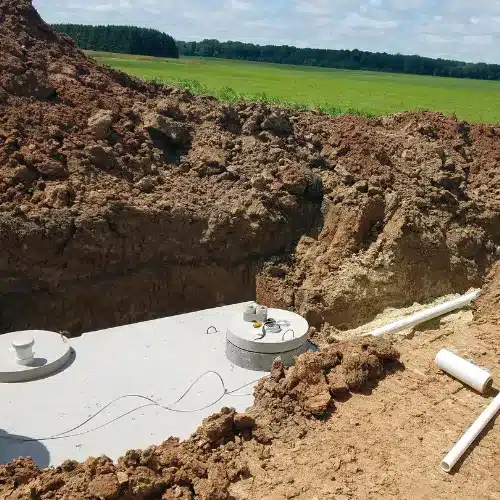
No two septic system projects in Ontario carry the same price tag, and that is not because contractors are making it up as they go. The cost of a septic system is determined by physical, regulatory, and site-specific variables that are unique to every property. Understanding what drives those variables is the first step to understanding what your project will actually involve.
The cost of a new septic system installation in Ontario is determined by the system type your property requires, and that determination starts with your soil. Soil conditions, lot size, proximity to wells or water, and local municipal regulations all factor into which system is appropriate and what the full scope of work looks like. At Essex County Septic, we assess every property individually before making any recommendations. You will know exactly what your project involves and why before any commitment is made.
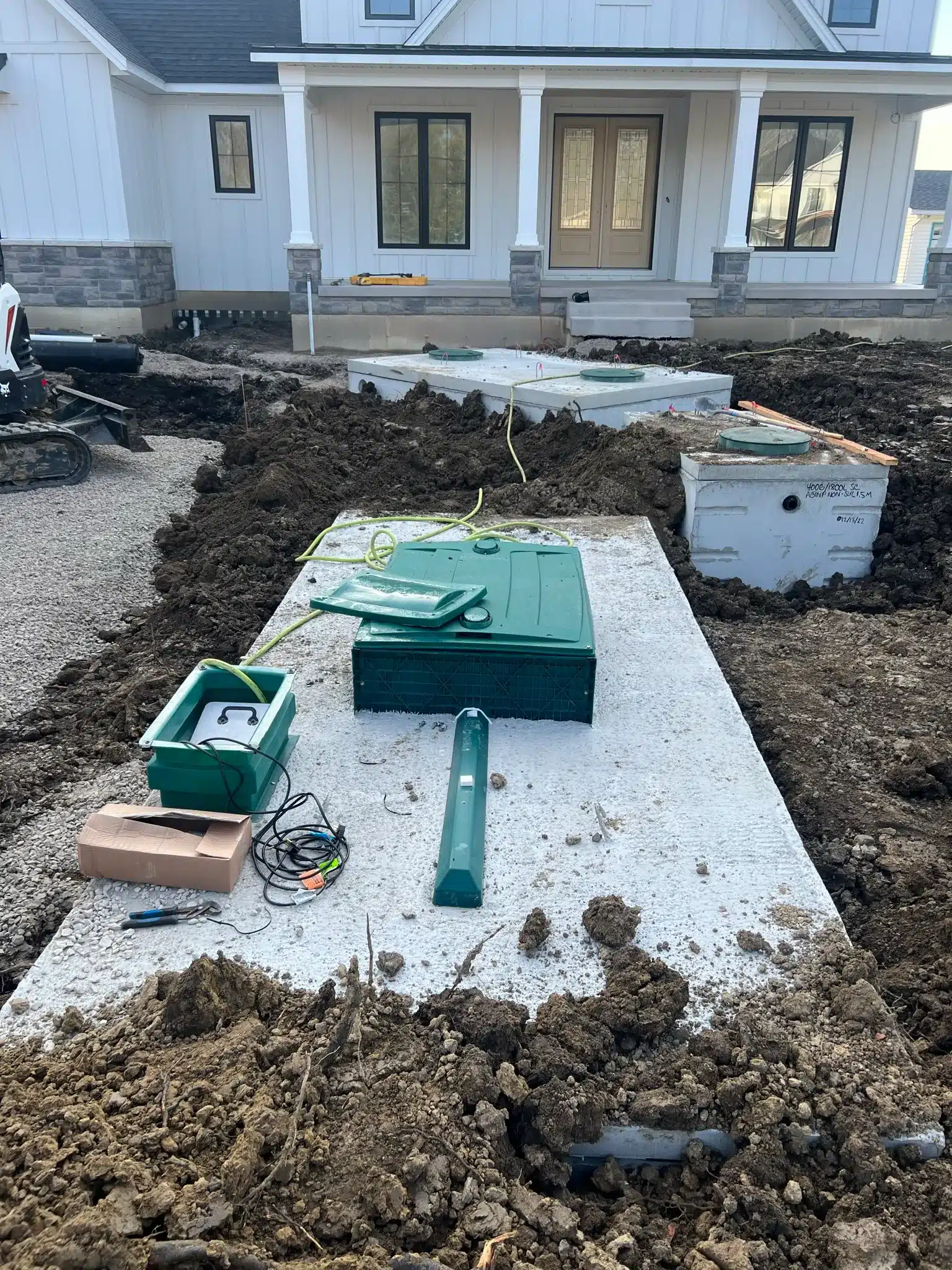
A holding tank stores wastewater on-site without treating or dispersing it, which means it requires regular pump-outs to keep functioning. A septic system treats and disperses effluent into the ground through a leaching bed, eliminating the need for frequent servicing.
The upfront installation cost of a holding tank is lower, but the ongoing pumping requirement makes it far more expensive to own over time. In Ontario, holding tanks are only permitted where the property cannot support a conventional or tertiary septic system. If a proper septic system can be installed on your lot, that is the right path.
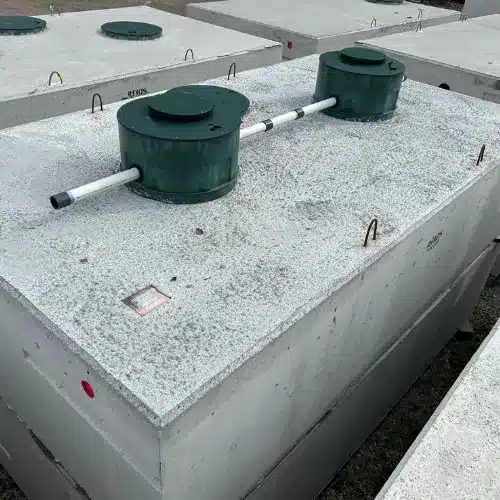
Concrete and plastic are the two primary septic tank materials used in Ontario residential installations, and each carries different cost implications. Concrete tanks require heavier equipment to handle and place but are extremely durable and the standard choice across most of Essex County.
Plastic tanks are lighter and easier to maneuver on sites with restricted access or difficult terrain. In some cases, soil conditions or municipal requirements will dictate which material is permitted for your project. We confirm the appropriate tank type during the design and site assessment phase, so there are no surprises once work begins.
A conventional septic bed is constructed at or near existing grade, using the native soil to treat and absorb effluent from the leaching system. A raised bed builds the dispersal system above the natural ground surface, which is required when a property has a high water table, shallow usable soil depth, or bedrock too close to the surface to permit a conventional installation.
Raised beds require additional fill material, more labour, and a larger overall footprint, which affects the total project cost. Your soil test results, completed during the design phase, determine which type of bed your property requires.
A new septic system installation on a vacant lot starts from scratch — design, permits, excavation, and a full build with no existing infrastructure to work around. A full replacement involves removing your existing system, decommissioning the old leaching field, and installing a new system designed and built to current Ontario code.
Replacement always requires a new design and new permits regardless of the age of the original system. In some situations, a partial replacement is possible if the existing tank is structurally sound and correctly sized for the home’s current fixture count. We assess the existing system during the site visit and advise on the most cost-effective and code-compliant path forward.
A conventional trench bed uses perforated pipe in gravel-filled trenches to disperse effluent. A chamber system replaces that with interlocking plastic arches, delivering the same treatment capacity in a smaller footprint at a higher material cost. Which system your property requires is confirmed through soil percolation results and the permit and design process.
Septic bed size in Ontario is calculated from two inputs under Ontario Regulation 358/11: your daily sewage flow, based on bedroom count, square footage, and fixture units, and your soil's percolation rate, measured during the design phase. Together they set the minimum required bed area, which is why our estimate form collects those details upfront.
The cost of a septic system in Ontario depends on factors that are specific to your property — soil conditions, required system type, lot size, site access, existing system removal, and local permit fees all play a role. Because every property is different, we assess each site individually and build an estimate based on what your project actually requires.
We handle the assessment, design, permits, excavation, and installation entirely in-house, which means the number we give you reflects the full scope with no subcontractor markups or missing pieces. The most accurate way to understand your cost is to request a free site estimate.
The tank is one component of a larger project, and its cost depends on material, required capacity, and the access conditions on your site. Concrete and plastic tanks are priced differently, and the required size is driven by your home’s sewage flow calculations rather than a simple bedroom count.
Your estimate from Essex County Septic breaks out the tank, excavation, bed installation, and permit costs as separate line items so you can see exactly what the project involves and where the cost is coming from.
The primary cost drivers are soil type and percolation rate, the system type your property requires, available bed area, proximity to wells or water, site access for excavation equipment, and whether your existing system needs to be removed.
Properties with poor soil drainage, high water tables, or tight lot constraints typically require more engineered systems, which increases scope and cost. All of these factors are evaluated during our site visit before your estimate is finalized, so you are never quoted based on assumptions.
Yes, directly. Bedroom count, total square footage, and fixture count all determine your home’s daily sewage flow, which sets the required tank capacity and minimum dispersal bed area.
A larger home with more bedrooms, bathrooms, and fixtures requires a larger system, which increases the overall project scope. This is why our estimate form collects those details upfront — accurate sizing from the start means no redesigns, no surprises, and no underbuilt systems.
Some Ontario municipalities and conservation authorities do offer funding programs for septic upgrades, particularly for older systems located near water bodies or within regulated shoreline areas. Program availability and eligibility criteria vary by region and can change year to year.
We recommend contacting your local municipality or the Essex Region Conservation Authority directly to ask about current programs. If a funding opportunity applies to your property, we are happy to factor that into the planning conversation when we meet for your free estimate.